Charting Lender Options Against Personal Cash Flow Rhythms for Obligation Alignment
Written by Ulrich Krause · Sep 2, 2026
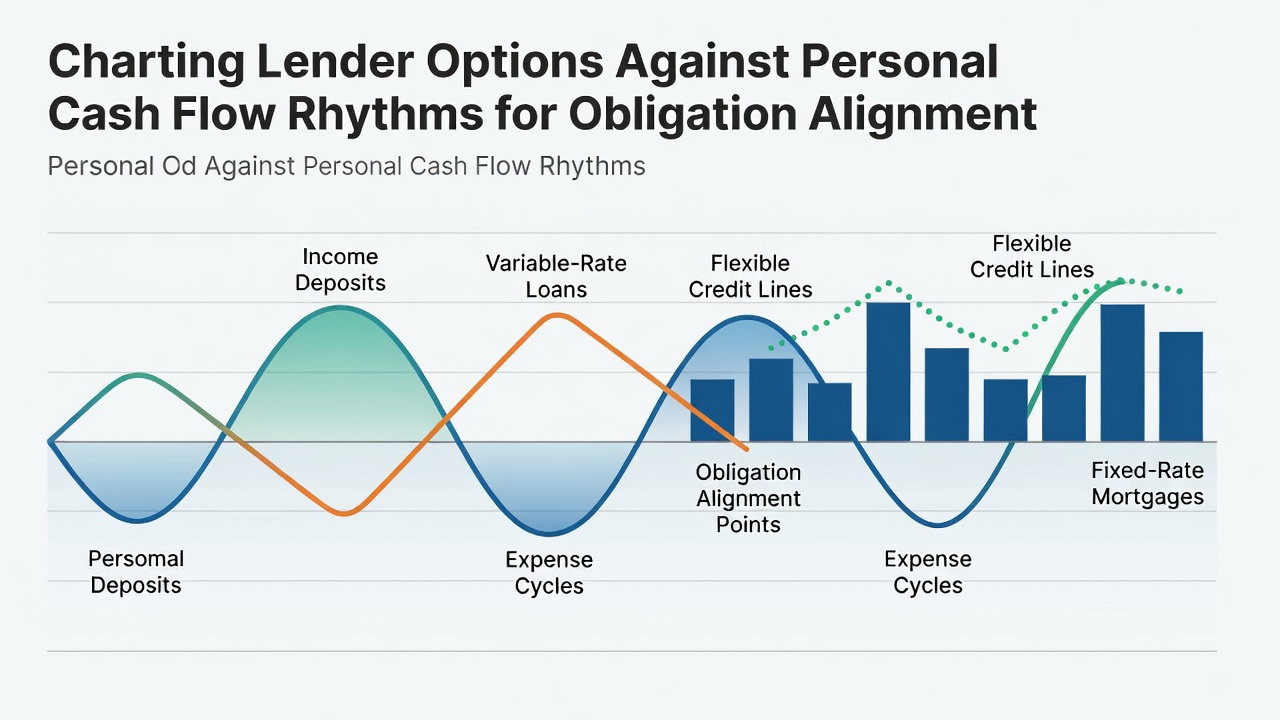
Charting Lender Options Against Personal Cash Flow Rhythms for Obligation Alignment
Personal cash flow rhythms describe the timing and volume of income inflows paired with recurring outflows, and observers note that aligning these patterns with lender terms can reduce mismatches that lead to missed payments or excess interest accumulation. Data from financial monitoring services shows that individuals with irregular income streams, such as freelancers or seasonal workers, often face higher default risks when fixed monthly obligations do not correspond to their actual receipt of funds.
Researchers have tracked how variable pay cycles interact with standard loan products, and figures reveal that approximately 40 percent of households experience at least one cash flow disruption per year according to household finance surveys. This pattern becomes particularly relevant when evaluating lender options that include flexible repayment schedules, adjustable interest rates, or grace periods tied to specific calendar events.
Mapping Income and Expense Patterns
Those who study household finance emphasize the value of documenting inflows from wages, investments, or side activities alongside outflows for housing, utilities, and existing debts, since this baseline allows direct comparison against proposed loan structures. In practice, people often construct timelines that highlight peak and trough periods, and such visual records help identify windows where additional obligations can fit without creating shortfalls.
Bank statements and payroll records provide the raw data for these maps, and experts recommend reviewing at least six months of activity to capture recurring but non-monthly items like quarterly insurance premiums or annual tax obligations. Once compiled, these patterns serve as a reference point for screening lenders whose products accommodate timing variations rather than enforcing uniform due dates.
Evaluating Lender Products for Timing Fit
Lenders offer an array of repayment frameworks that range from bi-weekly deductions to quarterly reviews, and data indicates that products with built-in flexibility correlate with lower delinquency rates among borrowers whose income arrives irregularly. Features such as payment deferral options during low-cash months or interest-only periods during transition phases appear more frequently in portfolios designed for self-employed applicants.
Comparison tools from regulatory agencies allow side-by-side assessment of term lengths, prepayment penalties, and adjustment mechanisms, while industry reports from September 2026 highlight a measurable uptick in demand for variable-schedule loans among households reporting seasonal revenue swings. Observers note that matching these features against documented cash flow peaks reduces the need for emergency borrowing later.
Practical Alignment Techniques
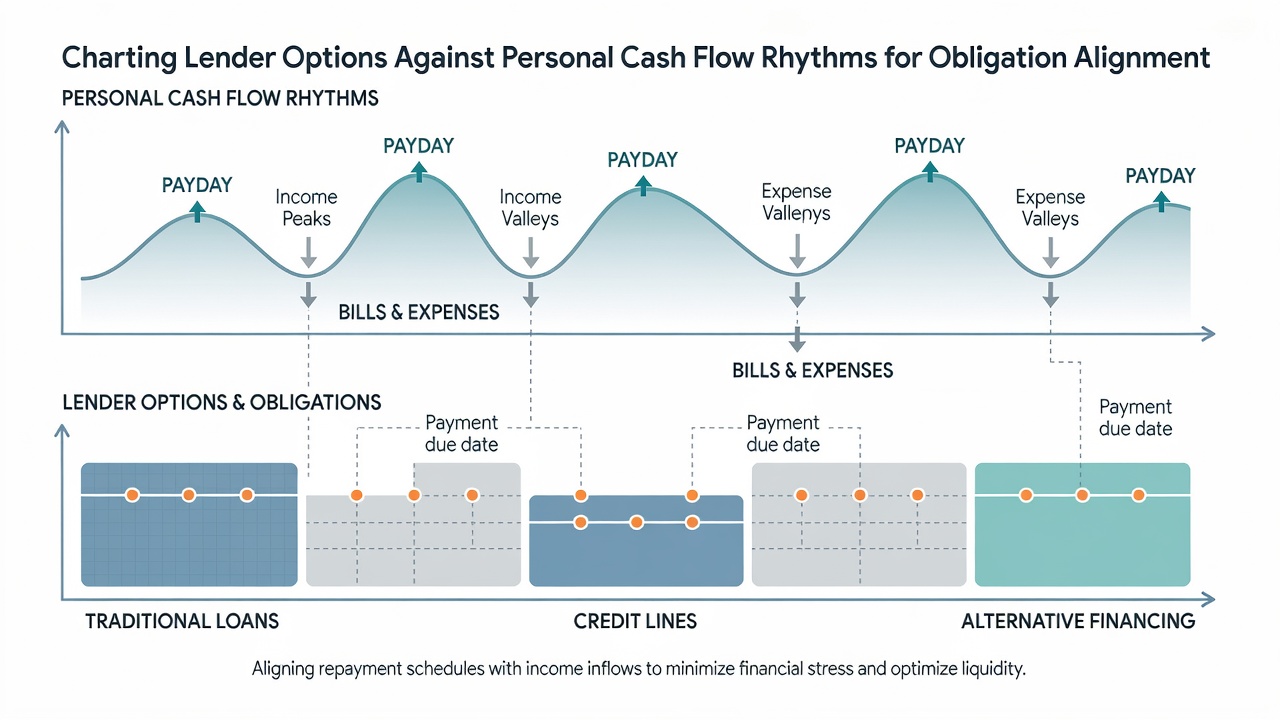
One established method involves overlaying lender amortization schedules onto personal cash flow calendars to spot potential conflicts before signing, and studies from academic institutions confirm that this pre-commitment review lowers subsequent refinancing activity. Borrowers can request sample repayment calendars from multiple providers and test each against their documented rhythms using simple spreadsheet projections.
Automated alerts set to coincide with expected income deposits further support alignment, and consumer protection resources such as those published by the Consumer Financial Protection Bureau outline steps for verifying that proposed due dates correspond to actual fund availability. Additional guidance from the European Central Bank consumer credit reports underscores the importance of stress-testing schedules against simulated income reductions of 20 to 30 percent.
Case examples documented by financial counselors illustrate how a borrower with quarterly commission payouts restructured a personal loan to include three-month interest-only intervals, resulting in stable account balances across the calendar year. Similar adjustments appear in records from credit unions that customize terms for agricultural or tourism-dependent clients whose revenue arrives in concentrated periods.
Monitoring and Adjustment Over Time
Once an obligation is in place, ongoing comparison of actual cash flows against projected schedules reveals whether adjustments become necessary, and many lenders now provide mid-term review options that accommodate documented changes in income timing. Digital banking platforms facilitate this tracking through categorized transaction exports that feed directly into cash flow models.
September 2026 data from multiple household surveys shows increased utilization of these review features, particularly among borrowers whose employment shifted to hybrid or project-based arrangements. Lenders that permit schedule modifications without triggering full re-underwriting maintain higher retention rates according to portfolio performance metrics.
Conclusion
Aligning lender options with personal cash flow rhythms requires systematic documentation of income and expense timing followed by targeted comparison of repayment structures, and available evidence indicates that such matching supports more consistent fulfillment of obligations. Resources from regulatory bodies and industry analyses continue to provide frameworks for conducting these evaluations on an ongoing basis.